Working closely with TRITEC, SPECTOR Companies translated that vision into an architectural approach that balances the scale and energy of a growing mixed-use district with the comfort and character residents expect from home. At the center of this transformation, The Core Apartments became a defining residential anchor and an important expression of the quality and identity envisioned for Station Yards.
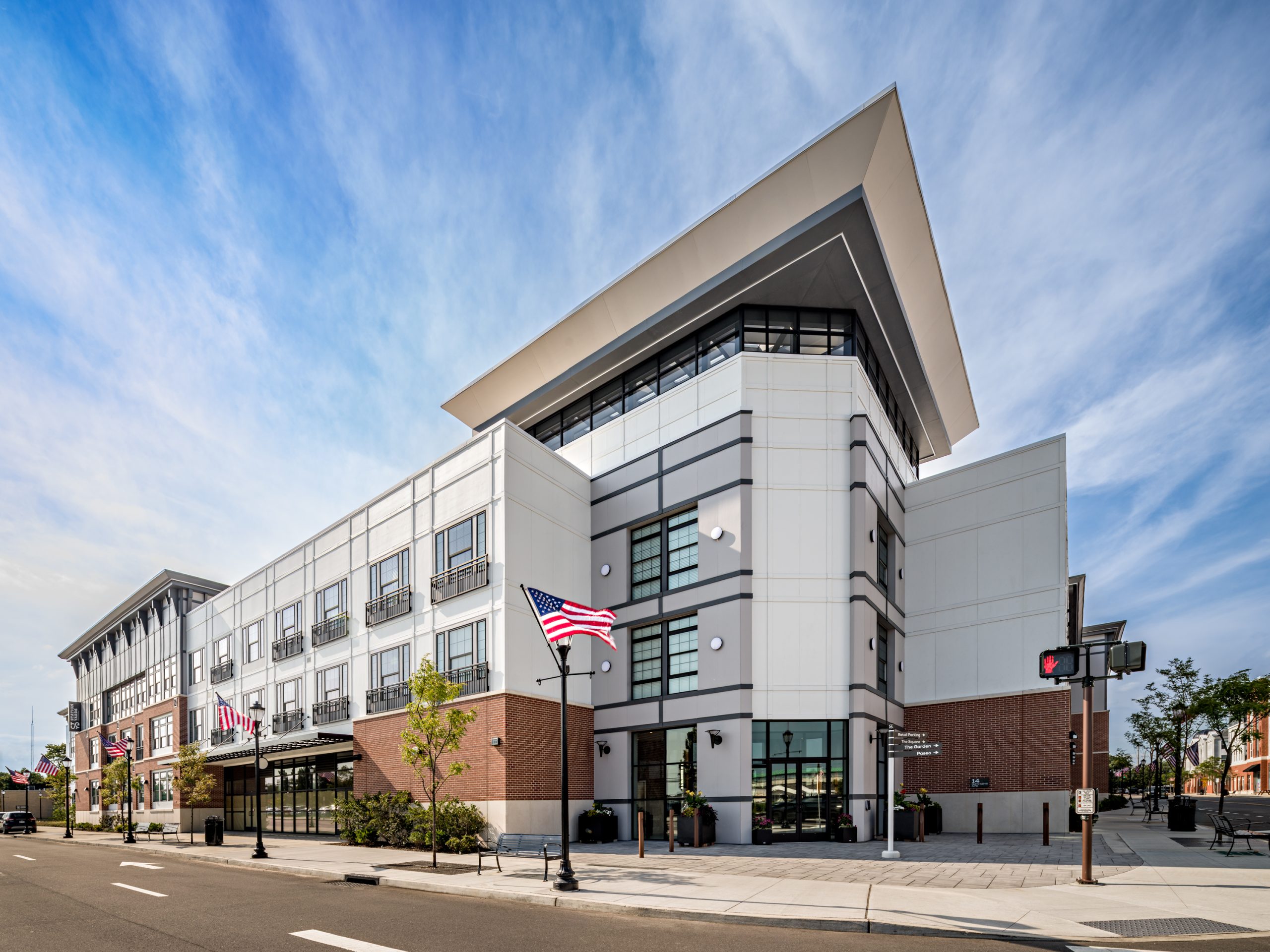
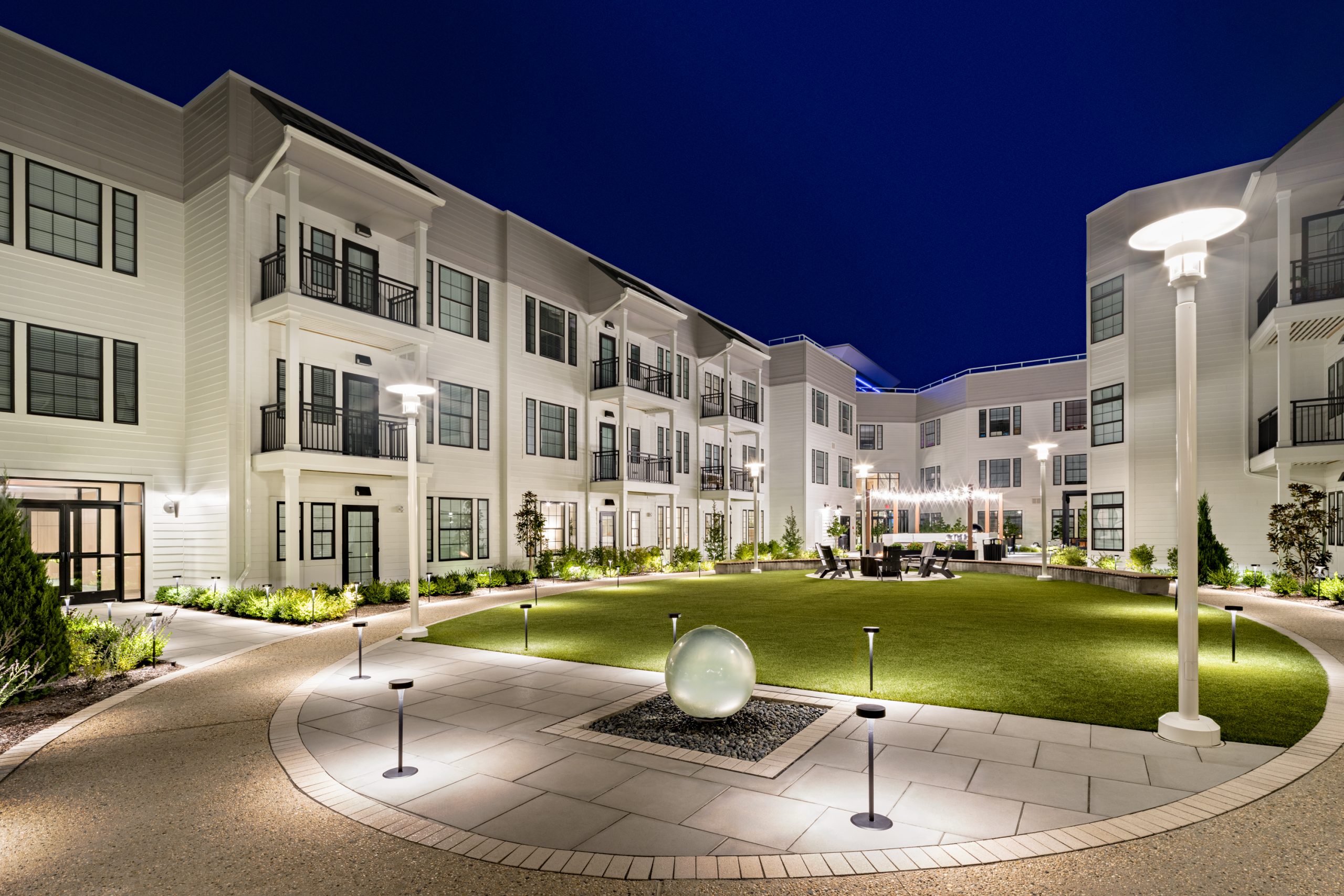
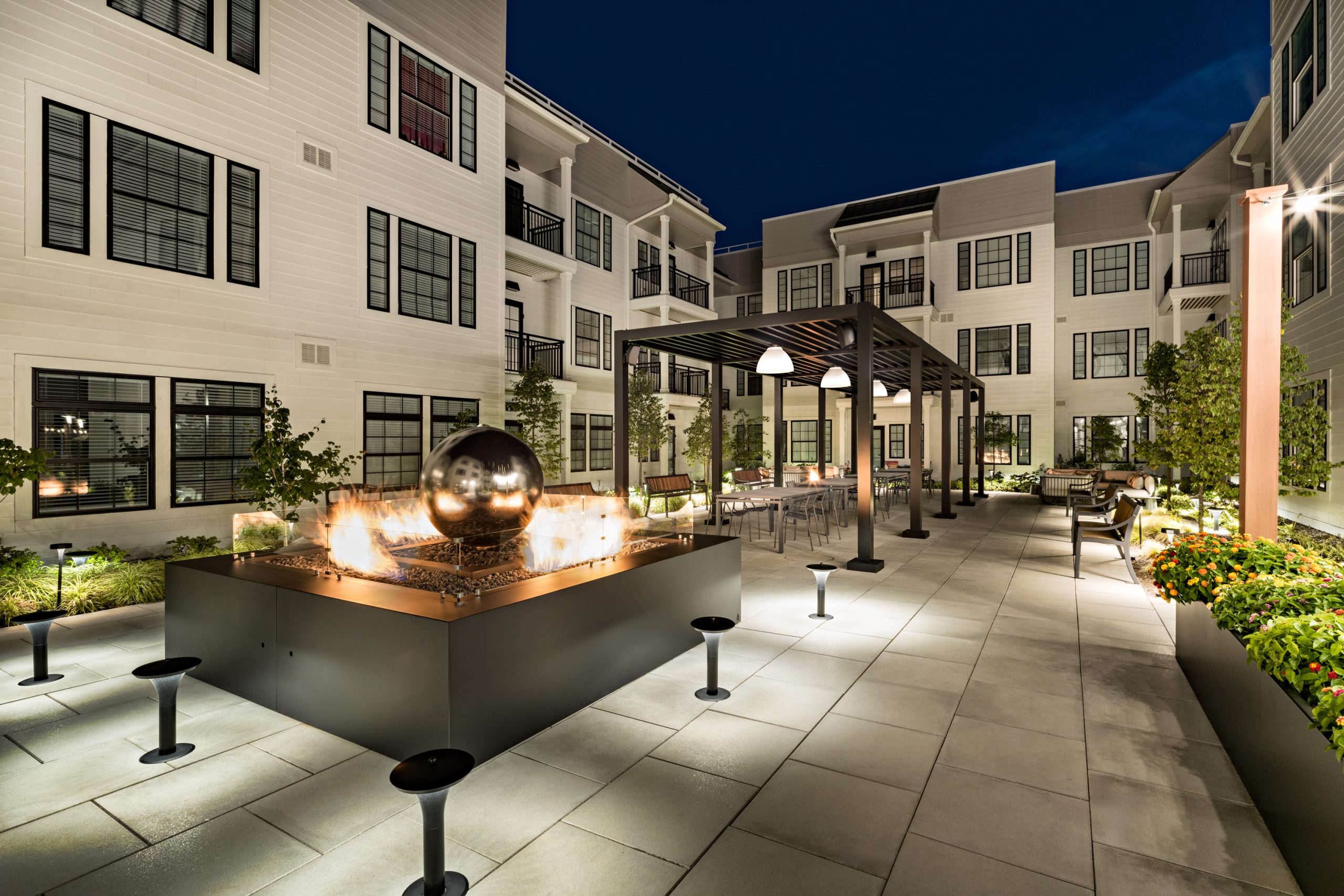
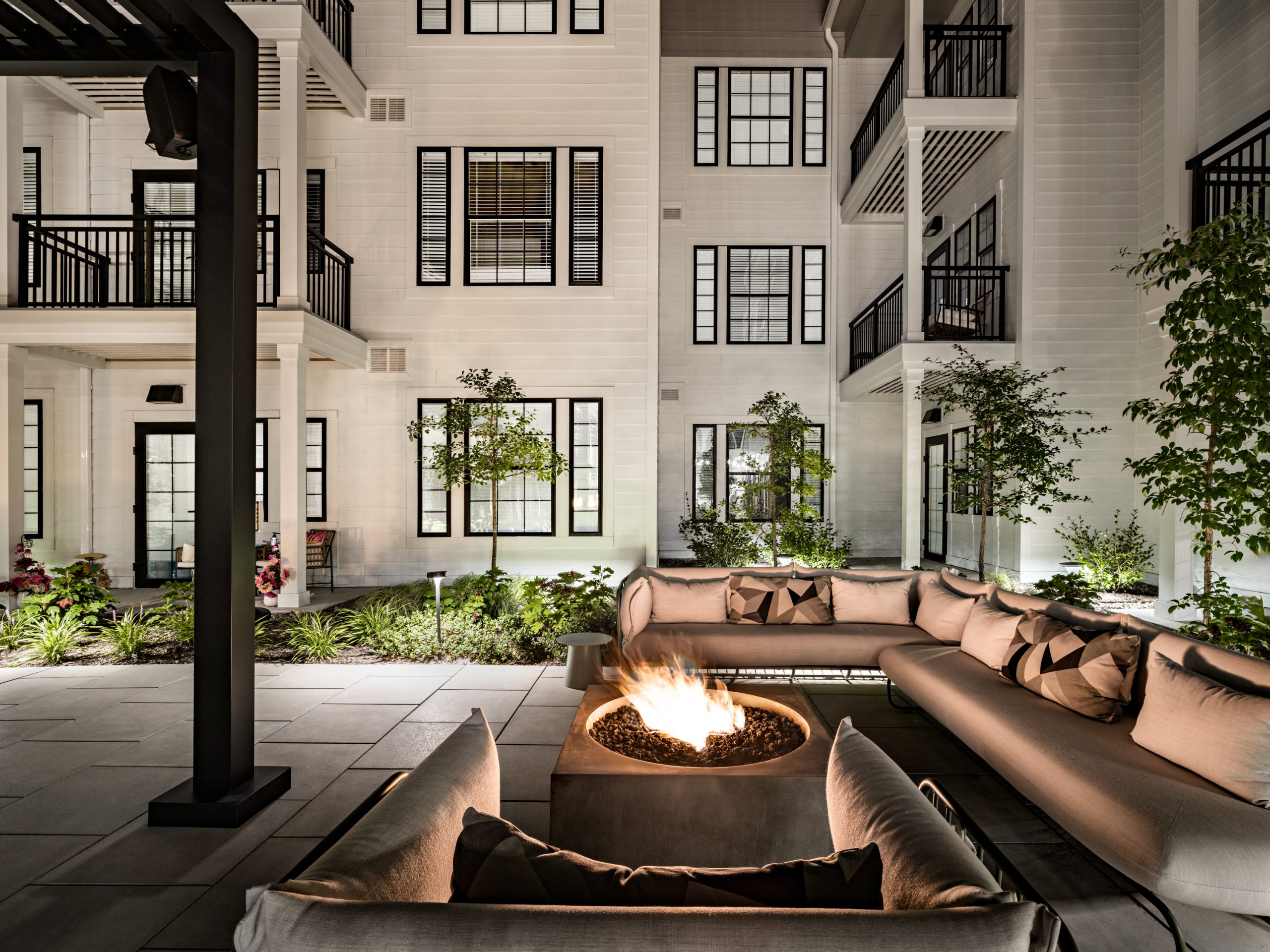
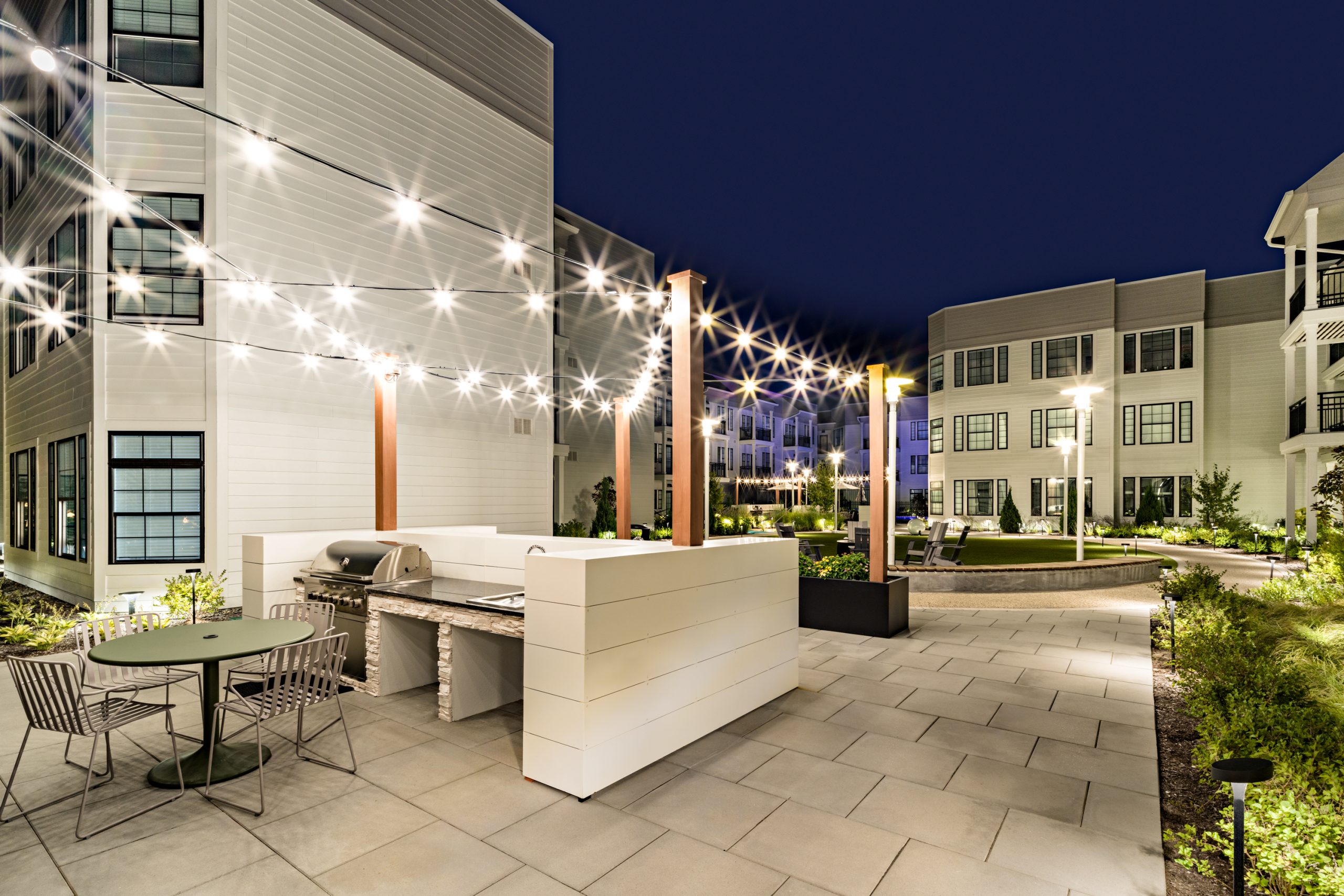
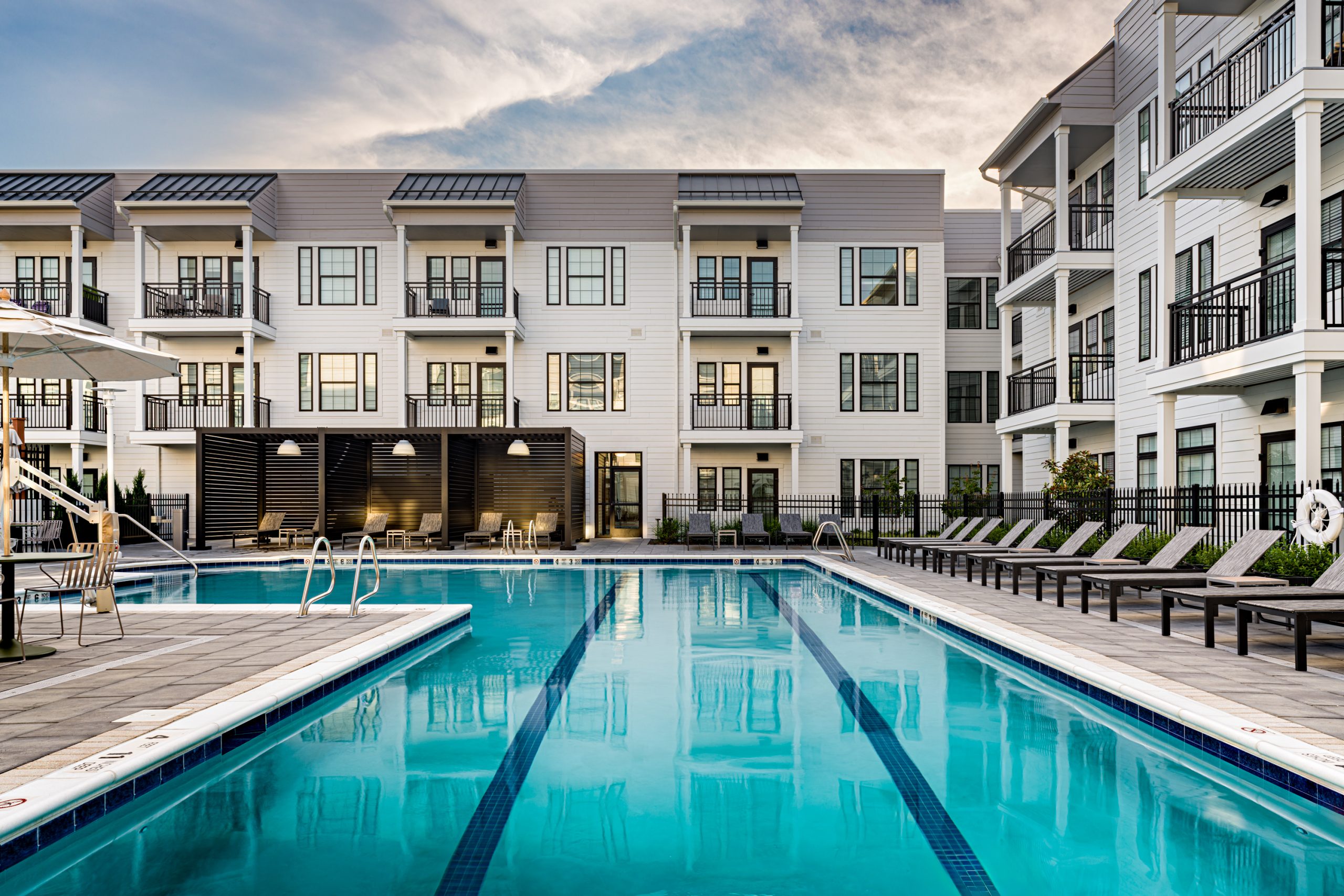
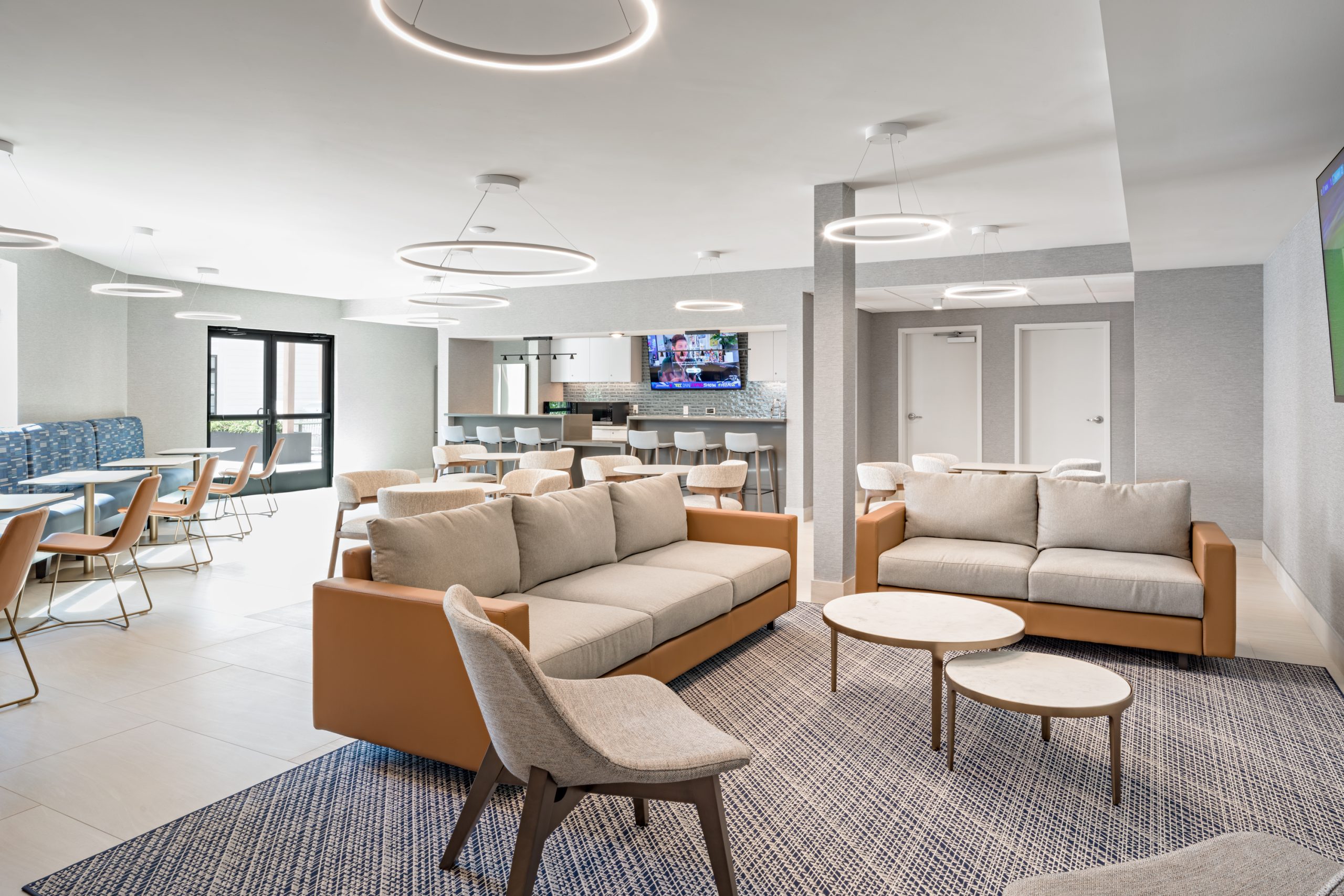
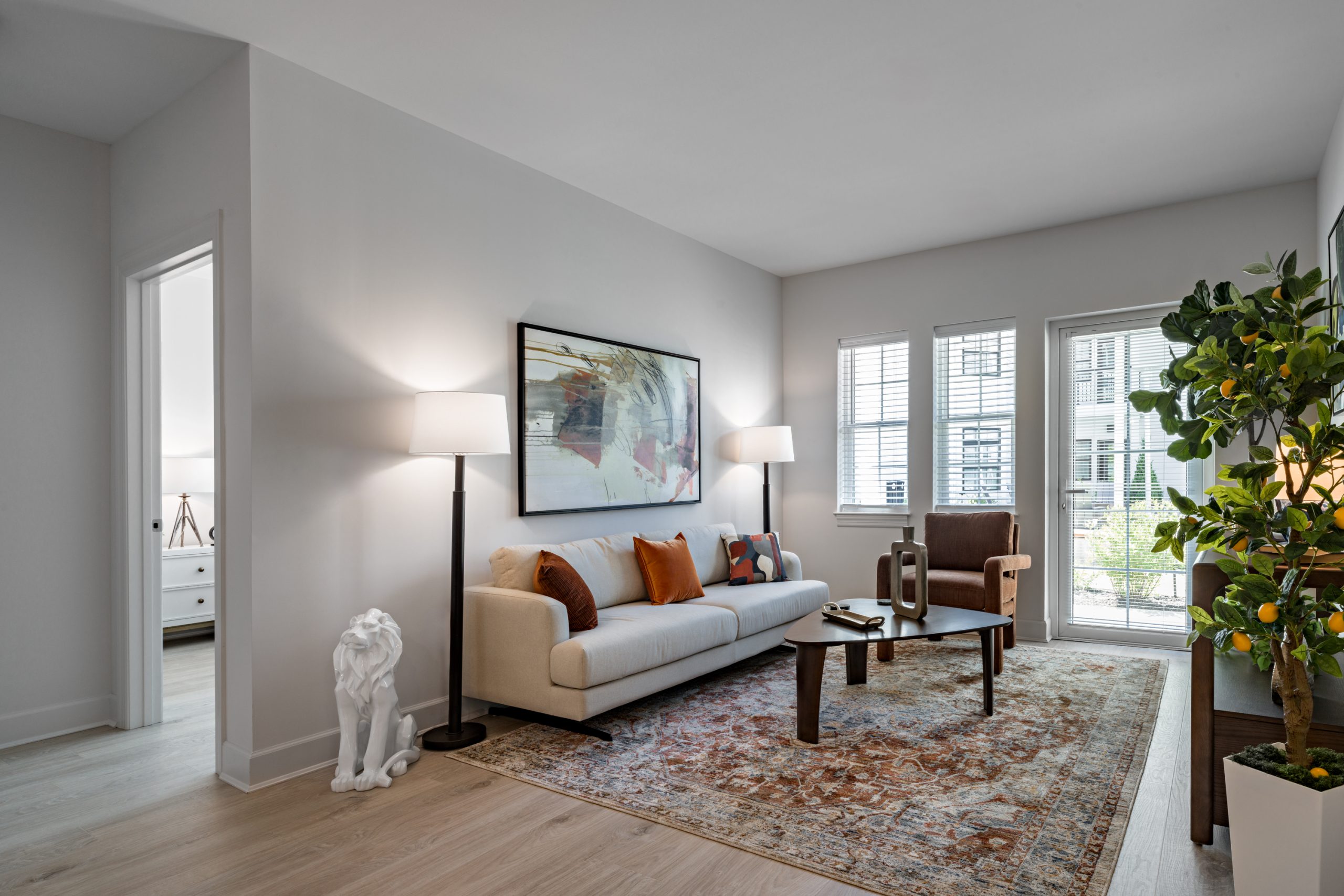
SPECTOR designed the building as a perimeter block, creating a strong urban street presence while surrounding a protected landscaped courtyard. This approach allowed the architecture to engage the emerging neighborhood on the outside while creating a more intimate, residential experience within. Recreation areas, gathering spaces, a pool, and shared amenities were conceived as extensions of residents’ homes, supporting both community and everyday living.
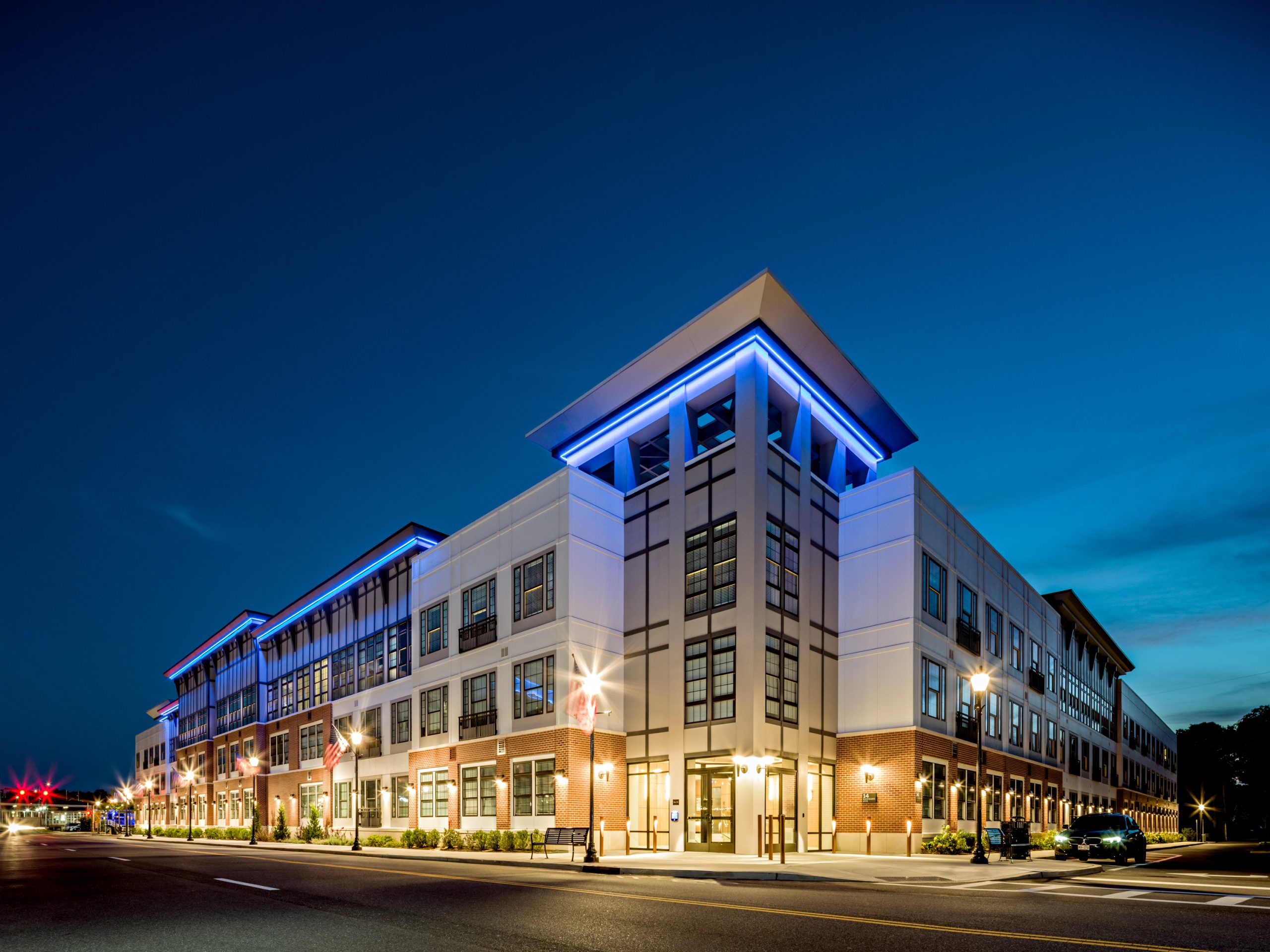
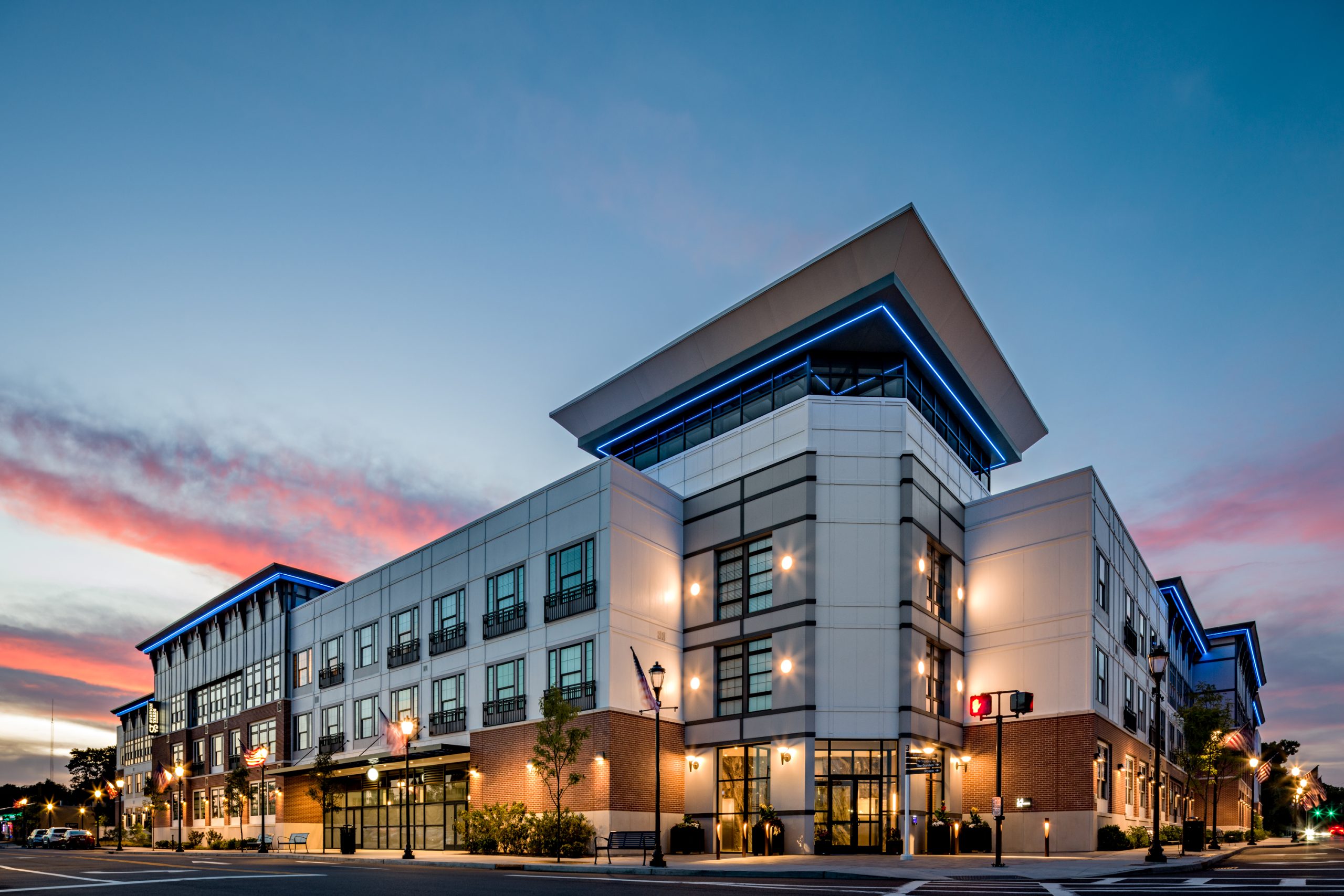
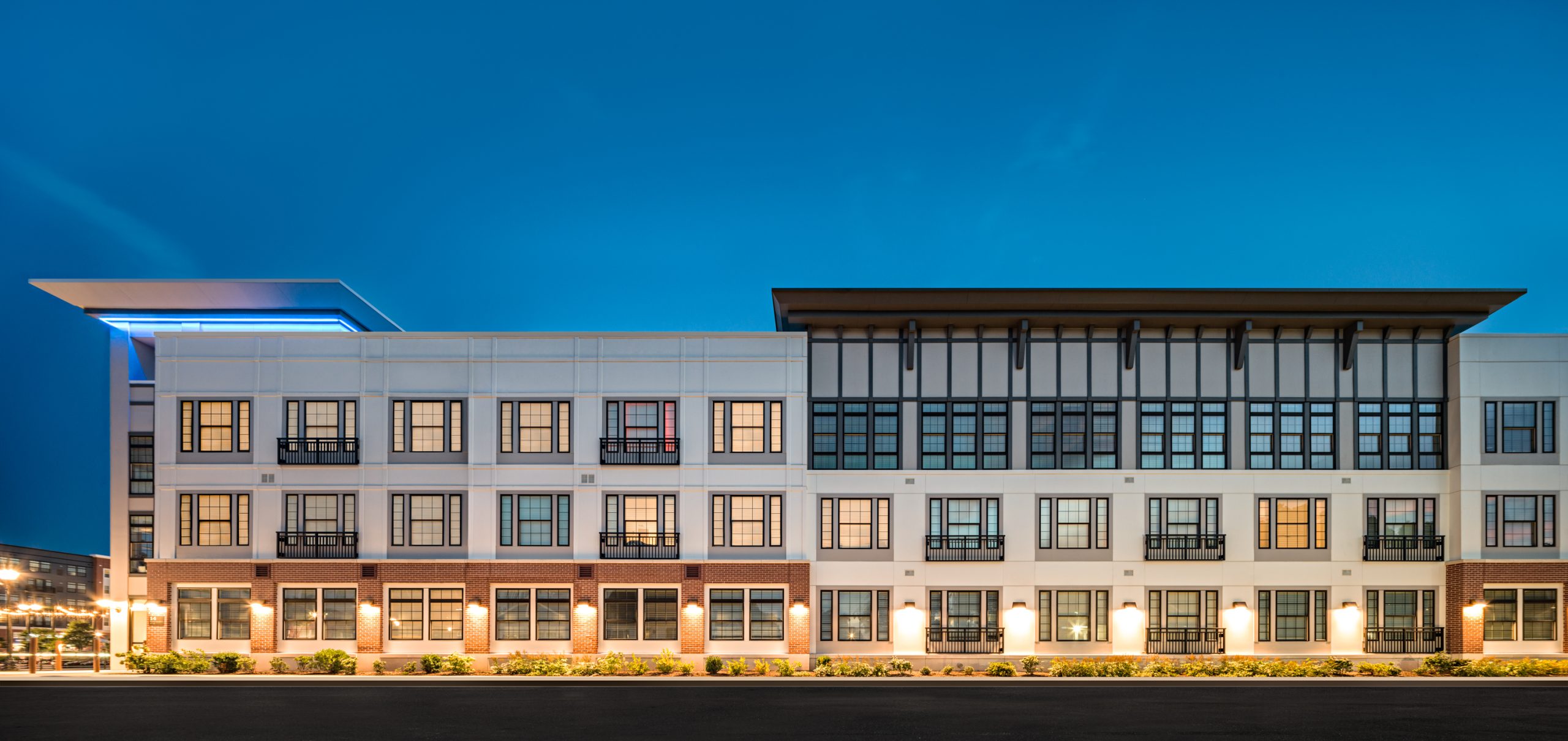
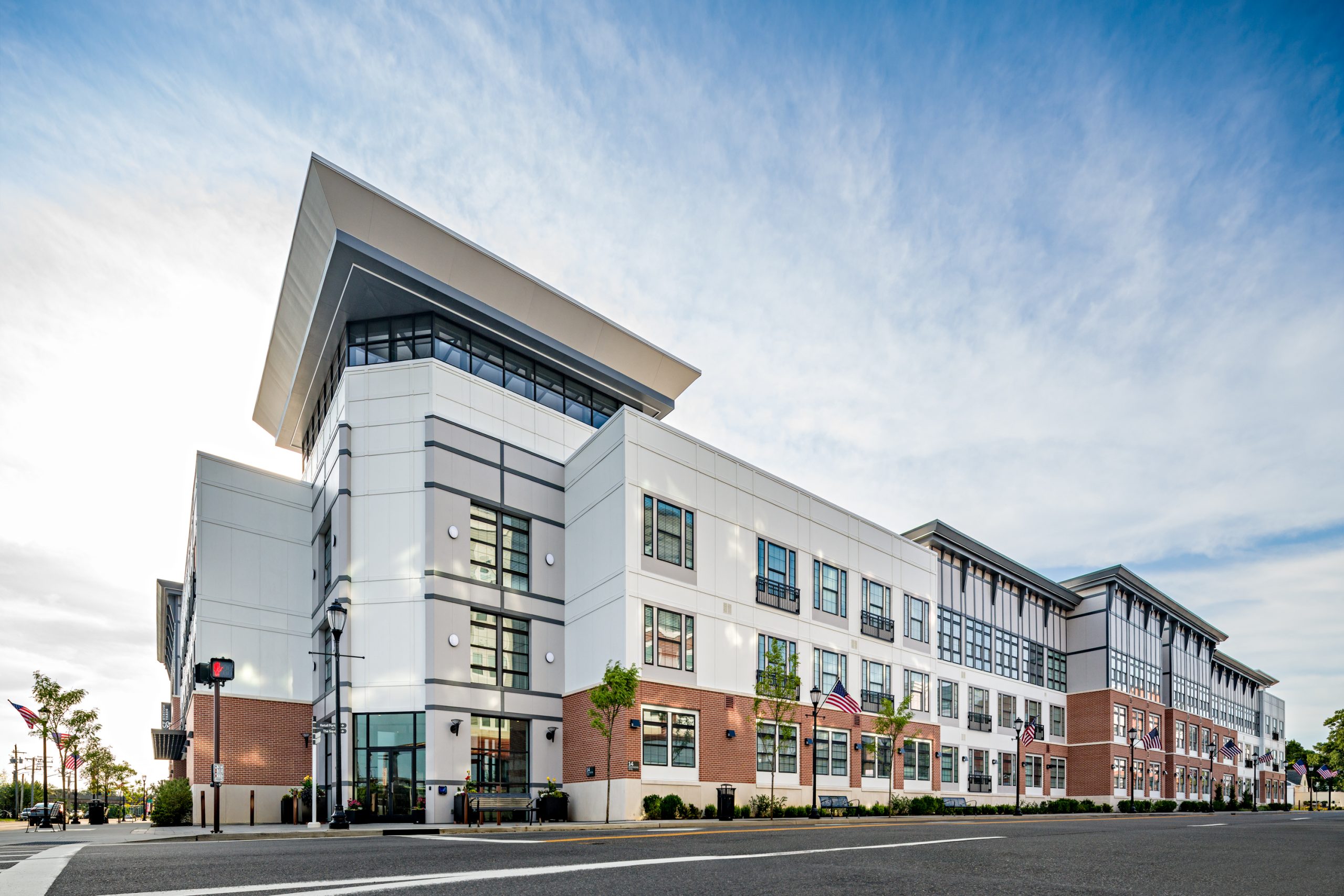
To achieve TRITEC’s vision for a substantial development that still felt approachable and human in scale, SPECTOR composed the architecture as a series of interconnected elements rather than a single large volume. Brick masonry establishes permanence at the lower levels, while lighter upper façades, varied window rhythms, projecting roof forms, setbacks, and articulated corners create depth, hierarchy, and visual interest. Taller elements emphasize important intersections and arrival points, helping establish recognizable landmarks throughout the larger master plan.
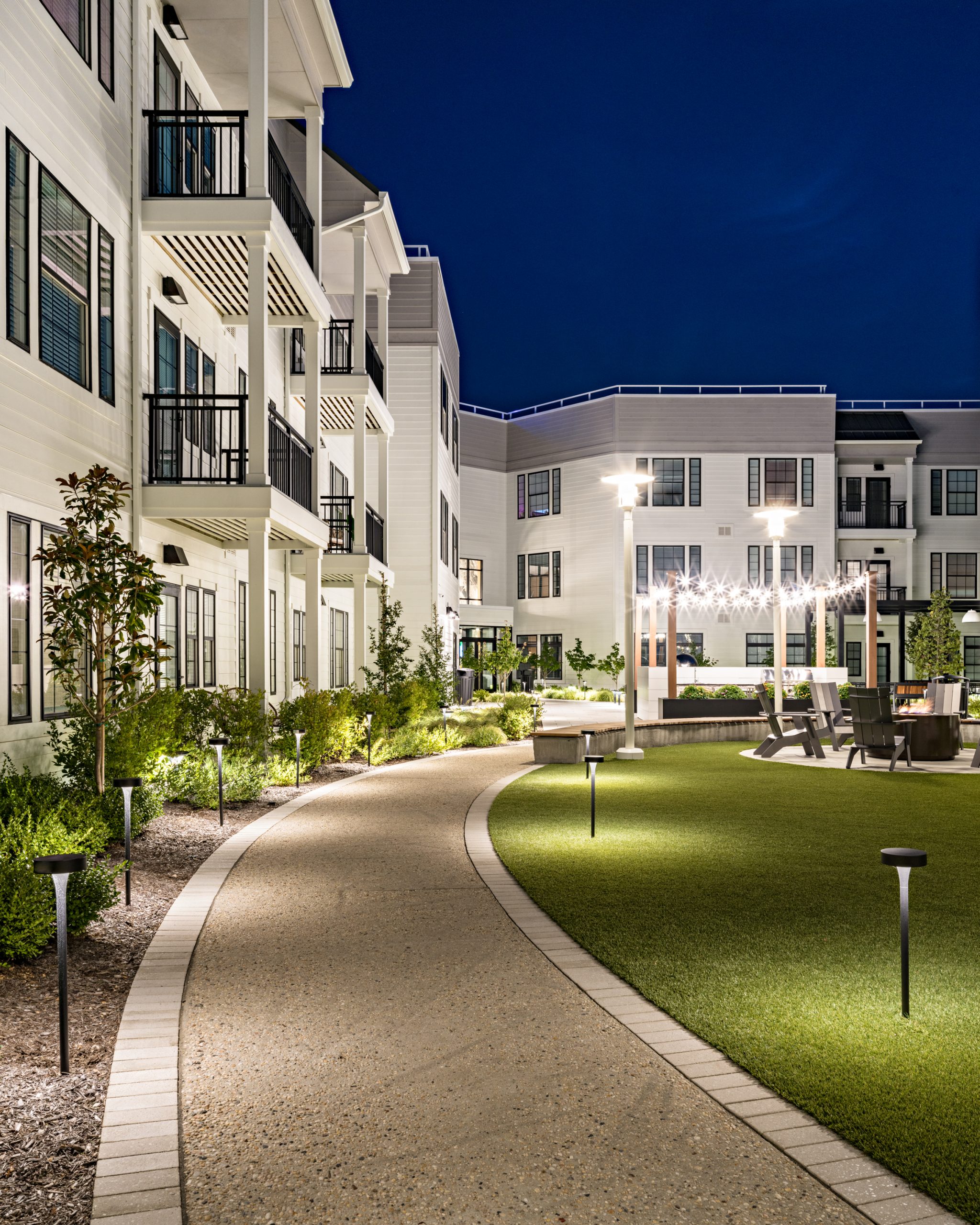
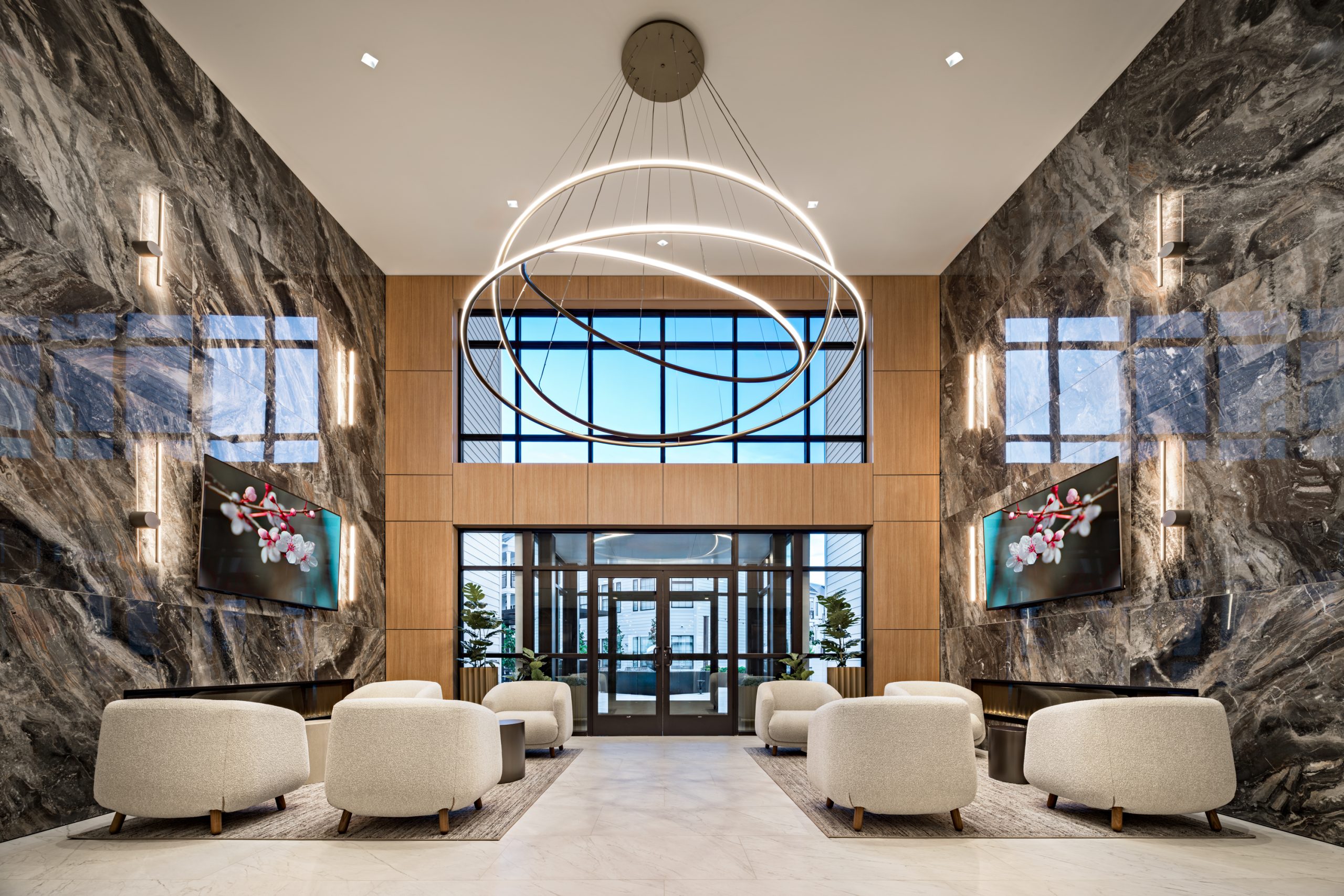
Within the courtyard, the architectural language becomes softer and more residential. Landscaped paths and outdoor rooms create opportunities for residents to gather, relax, and connect, while the lobby provides a direct visual relationship to the landscape beyond, reinforcing the transition from the energy of Station Yards to the experience of home.
As one of the district’s early residential anchors, The Core helped bring TRITEC’s larger vision for Station Yards to life. Through a collaborative design process, SPECTOR established an architectural character, level of quality, and sense of community that helped set the tone for the development that followed and for a new generation of transit-oriented living on Long Island.